
Last Updated: November 2, 2026
Quick Summary
To choose a safe electrical contractor, verify their state license number yourself through your state board’s lookup tool and confirm the license is active and matches the work. Then request a certificate of insurance sent directly by the insurer, and call the insurer to confirm the policy is active before work begins.
- Safety ranked as a top interest among 57% of surveyed contractors in Electrical Contractor magazine’s 2026 profile.
- Ask for the license number in writing and confirm the license type matches the work being quoted.
- Request the certificate of insurance directly from the insurer and phone the insurer to confirm it is active.
- Sort reviews by newest first and look for patterns, not single posts, when checking complaints.
- Pay by check or card, tie payments to milestones, and never pay the full price before the final inspection passes.
Table of Contents
- Step 1: Verify the Electrician Is Licensed and Authorized
- Step 2: Confirm Electrical Contractor Insurance and Bonding
- Step 3: Match Qualifications and Experience to Your Project
- Step 4: Read Reviews, Ratings, and Complaints the Right Way
- Step 5: Compare Electrical Contractor Estimates Beyond the Total
- Questions to Ask an Electrician Before and During the Job
- Electrical Contractor Red Flags and Scam Prevention
- Permits, Inspections, and Code-Compliant Work
- Frequently Asked Questions
Step 1: Verify the Electrician Is Licensed and Authorized
Learning how to choose a safe electrical contractor starts with one document: a state license, and hiring a safe electrical contractor begins there too. According to Electrical Contractor magazine’s 2026 Profile of the Electrical Contractor, safety ranked as a top interest among 57% of surveyed contractors.
A licensed electrician is one who holds a current credential from the state authority that regulates electrical work. In most states, that authority is the state licensing board or a registrar of contractors. Ask for the license number, then look it up yourself.
Where to Look Up a License and Local Authorization
Every state runs its own lookup tool. Search your state board’s website using the contractor’s business name and license number. You should see the license status, expiration date, and any disciplinary actions.
Before you bother with any of that, confirm the company actually works where you live.
Watch out: an “authorized” contractor is not always a licensed one. Some jurisdictions require a separate local registration on top of the state license.
A Practical Verification Checklist
Use this sequence every time, whether you are hiring for a panel upgrade or a single outlet:
- Request the license number in writing. Ask for it on the estimate or in an email, not verbally. A legitimate contractor will provide it without hesitation.
- Confirm the license type matches the work. Many states issue separate licenses for journeyman electricians, master electricians, and electrical contractors. A journeyman can perform work but may not be able to pull permits or contract directly with you. Ask which license the person quoting your job holds and which one the company holds.
- Check status and expiration. A license that lapsed last month is not a valid credential. Look for “active” or “current” status and note the expiration date.
- Review disciplinary history. Most state lookup tools list complaints, citations, suspensions, and revocations. A single old complaint may be minor; a pattern of citations for unpermitted work is a serious signal.
- Verify local registration separately. Cities and counties often require their own business license or electrical registration in addition to the state credential. Call the local building department or check its online registry.
- Confirm the business entity. Cross-check the license record against the company’s legal business name and, where available, its state business registration. This catches contractors operating under a name that does not match their license.
Documents to Request Before Work Begins
Ask for these in writing and keep copies:
- The state electrical license number and the name it is issued to
- The local business license or registration number, if your jurisdiction requires one
- A certificate of insurance sent directly by the insurer (covered in Step 2)
If a contractor cannot produce a license number on request, treat that as a stop sign. No amount of good reviews or a low bid compensates for an unlicensed crew.
What to Do If the License Does Not Check Out
If the lookup shows a lapsed license, a different name, or disciplinary actions you are not comfortable with, do not proceed. You can confirm your findings by calling the state licensing board directly. Ask whether the contractor is authorized to perform the specific scope you need, and whether any complaints are open. If the contractor claims a license that the board cannot confirm, walk away and report the misrepresentation to the board.
Step 2: Confirm Electrical Contractor Insurance and Bonding
Electrical contractor insurance is the financial shield between you and a costly accident. Ask for a certificate of insurance before work begins.
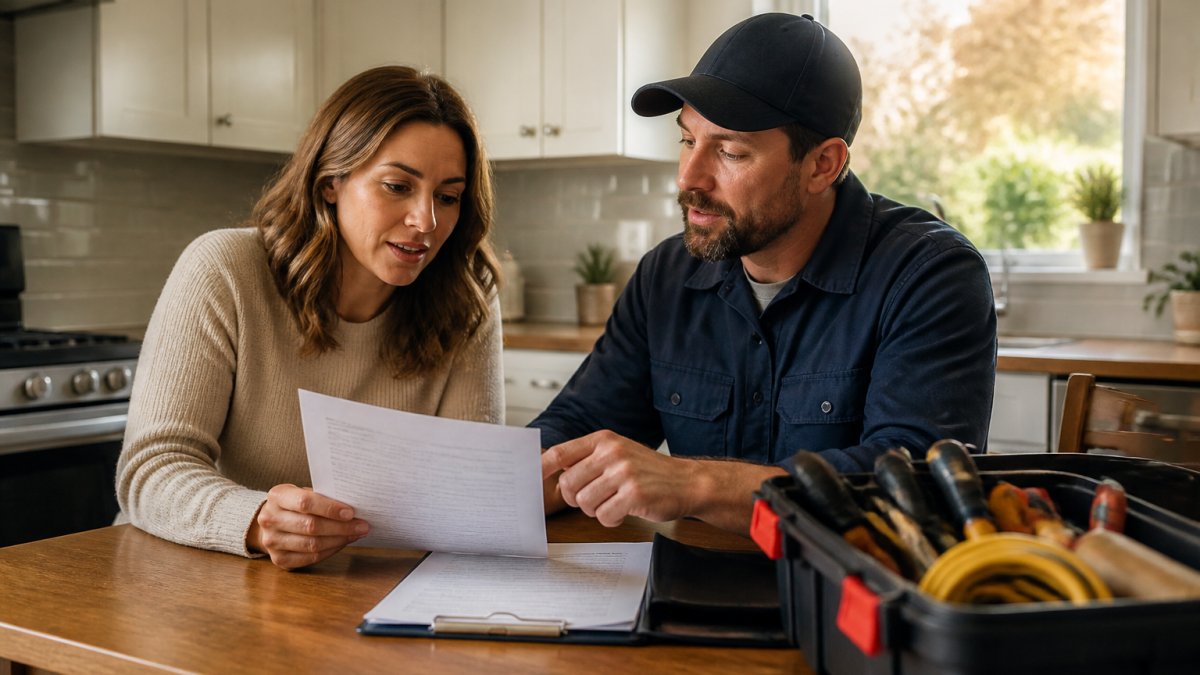
Bonding is different. A surety bond is a promise that the contractor will follow the rules, and it gives you a way to recover money if they don’t. Many states require one for licensed contractors.
What to Ask For and How to Read the Certificate
Request three things in writing:
- The certificate of insurance, sent directly by the insurer
- The policy’s effective and expiration dates
- The bond number and the bonding company’s name
Call the insurer to confirm the policy is active. Certificates can be altered, so a phone check with the insurer is worth the time.
Step 3: Match Qualifications and Experience to Your Project
A great panel-upgrade crew is not automatically the right team for a commercial tenant build-out. Match the contractor’s qualifications to your actual project type, not just their star rating.
Ask how many jobs like yours they completed in the past year. Ask whether their electricians hold certifications beyond the basic license. For specialized work, such as EV charger installation or medical suite wiring, project experience matters more than general reputation.
Step 4: Read Reviews, Ratings, and Complaints the Right Way
Customer reviews are useful, but only when you read them correctly. Look for patterns, not single posts. One angry review is noise.
Sort reviews by newest first. Check whether the business responds to complaints, and how. Then cross-check the company’s own business website against third-party review sites.
Verified reviews carry more weight than anonymous ones. A review tied to a real invoice or a named project tells you more than a star rating with no detail.
Step 5: Compare Electrical Contractor Estimates Beyond the Total
The lowest bid is rarely the safest one. An electrical contractor estimate should break down scope, materials, labor, and timeline so you can compare bids line by line. A single lump-sum number tells you almost nothing.
Scope, Materials, Labor, and Timeline Line by Line
Use this comparison to read each bid:
| Line Item | What to Check | Why It Matters |
|---|---|---|
| Scope | Work listed in writing | Reveals missing tasks |
| Materials | Brand and grade named | Cheap parts fail early |
| Labor | Hours and crew size | Flags unrealistic bids |
| Timeline | Start and finish dates | Shows scheduling risk |
| Permit fees | Who pulls and pays | Avoids surprise costs |
| Warranty | Length and coverage | Shows confidence in work |
Questions to Ask an Electrician Before and During the Job
The right questions to ask an electrician separate prepared pros from improvisers. Ask them before you sign, and keep asking while work is underway.
Before hiring:
- Who pulls the permit, and will you show me the inspection sign-off?
- Are your electricians employees or subcontractors?
- What happens if the job fails inspection?
During the job:
- What did you find once you opened the wall?
- Does this change the scope or the price?
- When is the inspection scheduled?
Once you have your shortlist and your questions ready, you can ask directly.
Electrical Contractor Red Flags and Scam Prevention
Electrical contractor red flags cluster around pressure and paperwork. A crew that demands a large cash deposit, offers a “today only” discount, or refuses to put the scope in writing is telling you something.
Watch for these:
- No license number on the truck, website, or estimate
- A demand for full payment upfront
- Door-to-door pitches after a storm
Legitimate emergency work still follows a process, and it should never rely on pressure tactics.
Scam Tactics That Target Homeowners
Most electrical contractor scams follow a few recognizable patterns. Knowing them in advance is the best defense.
- The high-pressure deposit. The contractor asks for a large cash payment or wire transfer before any work starts, then becomes hard to reach. A reasonable deposit for materials is normal; a demand for the full job price upfront is not.
- The storm-chaser pitch. After a severe weather event, out-of-area crews go door to door offering quick repairs. They may do substandard work, disappear before inspection, or use the visit to case the property. Ask for local references and verify the license before agreeing to anything.
- The bait-and-switch bid. A very low estimate wins the job, then change orders pile up once the wall is open. The final bill can far exceed the original quote. Insist on a written scope and a change-order policy before work begins.
Payment Practices That Protect You
How you pay matters as much as who you pay. A few habits reduce your exposure:
- Pay by check or card so you have a record. Avoid cash and wire transfers for large amounts.
- Tie payments to milestones: a modest deposit, a progress payment after rough-in, and final payment after inspection sign-off.
- Never pay the full contract price before the final inspection passes.
If a contractor asks you to pull the permit in your own name to avoid their licensing requirements, refuse. That shifts liability to you and is a serious red flag.
What to Do If Work Looks Unsafe or a Dispute Arises
If you see exposed wiring, missing junction boxes, or work that fails inspection, act quickly:
- Stop the work. Tell the contractor in writing to pause until the concern is resolved. Keep a copy of the message.
- Document everything. Photograph the work, save the contract, estimates, payment records, and all messages. Note dates and names.
- Call the local building department. Report unpermitted or dangerous work. An inspector can confirm whether the installation meets code.
- Contact the state licensing board. File a complaint if the contractor is unlicensed, misrepresented credentials, or performed unsafe work. Boards can investigate and take disciplinary action.
- Use the bond or insurance if needed. If a bonded contractor caused damage or abandoned the job, the surety bond may provide a path to recovery. Contact the bonding company named on the bond.
- Consider consumer protection channels. Your state attorney general’s consumer protection division and the Better Business Bureau can help mediate disputes and track patterns of complaints.
The safest contractors welcome verification. They hand over license numbers, insurance certificates, and permit paperwork without hesitation. A contractor who resists any of those steps is the red flag.
Permits, Inspections, and Code-Compliant Work
Code-compliant work means the installation meets the electrical and building codes your jurisdiction enforces, and an inspector confirms it. A permit is the paper trail that makes that inspection happen.
Never let a contractor talk you out of a permit. Unpermitted work can void insurance claims and complicate a home sale.
Code-compliant installation means inspection is part of the plan rather than an afterthought.
Frequently Asked Questions
How do I know if an electrical contractor is qualified?
Check three things before anything else: a current state or local license, active liability insurance, and a bond where your jurisdiction requires one. Then ask how many projects like yours the company has completed in the past year, and whether the crew holds certifications for the specific work, such as panel upgrades or EV charger installation. A qualified safe electrical contractor will hand over documentation without hesitation and invite you to verify it with the issuing body.
Should an electrical contractor be licensed and insured?
Yes, both. A license shows the contractor has met the state or local requirements to perform electrical work legally, and it gives you a regulator to complain to if something goes wrong. Insurance matters just as much: without liability coverage, damage to your property or an injury on the job can become your problem. Ask for a certificate of insurance naming the coverage limits and effective dates, and confirm the policy is still active before work starts.
What are red flags when hiring an electrician?
Watch for a contractor who quotes a price before seeing the work, demands a large cash deposit up front, refuses to put the scope in writing, or cannot produce a license number. Other warning signs include pressure to skip permits, no business address or website, and estimates that are dramatically lower than every other bid. Any one of these deserves a pause; two or more means walk away and keep looking.
How can I compare electrical contractor estimates fairly?
Line up the bids against the same checklist: project scope, materials and brands specified, labor included, permit fees, timeline, and warranty terms. A lower total often means fewer fixtures, thinner wire, or permits left out. Ask each contractor to explain what is excluded. Comparing a safe electrical contractor’s written estimate this way shows you the real cost rather than the headline number.
Hiring an electrician carries real risk when credentials go unchecked. Fox Electric Technologies handles residential and commercial projects with certified electricians, safe and code-compliant work, and honest pricing, from panel upgrades to home rewiring. Get started with Fox Electric Technologies and request a free estimate for your next project.

